
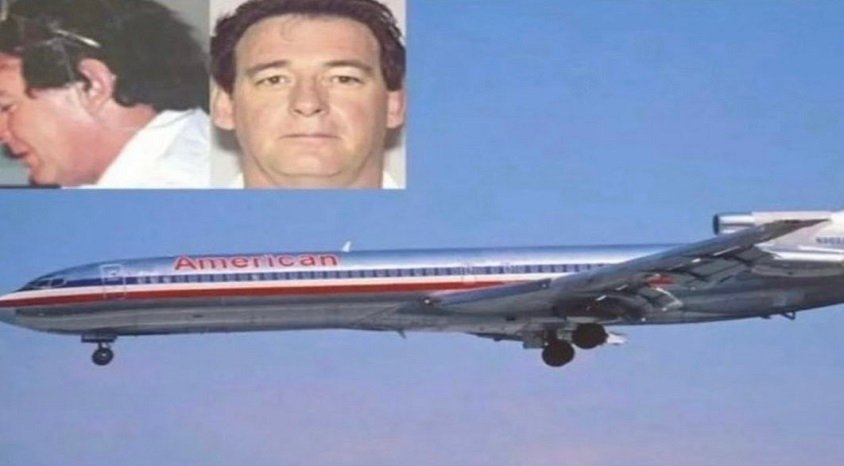
The mystery of the Boeing 727-223 cargo plane stolen from Luanda International Airport in Angola in 2003 has baffled aviation experts, governments, and conspiracy theorists for years. The plane, which sat at the airport for months, vanished in a brazen and unprecedented theft.
In the pages of aviation history, few mysteries have fascinated and baffled experts and enthusiasts as much as the disappearance of the stolen Boeing aircraft (N844AA).
This aircraft, which had a long history dating back to the days when it served American Airlines’ busy routes, mysteriously and inexplicably disappeared from Quatro de Fevereiro Airport in Luanda, Angola, on May 25, 2003.
The circumstances surrounding the theft of the Angolan plane resembled the script of a high-stakes thriller, weaving together a complex story of unpaid airport fees, unclear ownership records, and a security breach that led to the 727 taking off into the sunset, never to be seen again.
What happened to N844AA? Who were the two men who took such a desperate gamble? Were others waiting on board? Was it stolen for insurance purposes, to be sold to the highest bidder, or for more sinister reasons? And more generally, how does a stolen Boeing plane simply disappear?
The mystery of the stolen 727 completely baffled the world and remains one of the strangest riddles of the twenty-first century.
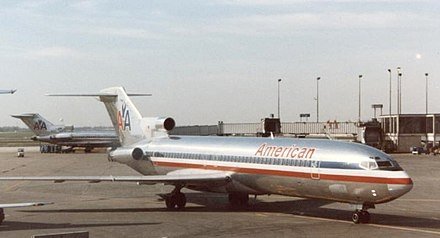
The aircraft in question, a Boeing 727-223 with registration N844AA, entered service with American Airlines in 1975. It operated for twenty-five years, accumulating approximately 70,000 flight hours before being converted from a passenger aircraft to a cargo plane in 2000.
It was later reported to belong to a Miami-based company, which was said to be in the process of transferring ownership to either a Nigeria-based airline or an Angolan cargo fleet company. This process and the confusion surrounding its status meant that N844AA had been grounded in Angola for over a year prior to its mysterious flight, accumulating significant debt in parking and service fees reportedly amounting to approximately $4 million.
Questions regarding the ownership of the aircraft added further layers of complexity to the case. Reports indicate that there are companies and individuals claiming to own shares in the aircraft, complicating efforts to determine who is responsible for its debts and ultimate fate.
In addition to rumors that the stolen Boeing aircraft was grounded because it was not equipped with an HF (high-frequency) radio, an official from the Angolan civil aviation authority reportedly claimed that documents confirming the legal conversion of the aircraft from a passenger plane to a cargo plane were also missing.
At the time of its disappearance, there were rumors that N844AA was banned from flying over Angolan airspace due to what were called ‘irregularities’. Another version of the story claimed that the plane was chartered to deliver diesel fuel to diamond mines in Africa and was carrying 5,000 gallons of fuel, but this story remains purely speculative.
These financial and legal complexities set the stage for one of the most astonishing disappearances in modern aviation history.
Sometime in the afternoon of May 25, 2003, Ben Charles Padilla, an American flight engineer, aircraft mechanic, and holder of a private pilot’s license, boarded N844AA with John Mikel Mutantu, a hired mechanic believed to be from the Democratic Republic of Congo. However, like much of the information surrounding this bizarre story, even this remains the subject of some dispute.
While one airport employee reported seeing only one man on the plane, others said they saw two. Neither man was certified to fly the Boeing 727-223, an aircraft normally operated by a qualified crew of three. It is also unknown whether anyone else was on board at that point.
It is still unknown whether one or both of these men were involved in the plane’s disappearance, or whether they were innocent bystanders part of a complex plan. Furthermore, it is believed that the stolen 727 took on 14,000 gallons of fuel before takeoff, which should have given the aircraft a range of approximately 1,500 miles, or 2,400 kilometers.
Just before sunset, the aircraft began taxiing toward the runway without contacting the communications tower. Witnesses reported that N844AA moved erratically before being cleared to enter the runway. Without any navigation lights and with the transponder system (which provides air traffic control and other aircraft with information about the aircraft’s identity, location, and barometric altitude) switched off, the stolen Boeing took off southwest toward the vast expanses of the South Atlantic.
Neither the two people nor the plane were ever seen again.
Most people involved in the story (aircraft owners, aviation experts, pilots, and even US government officials) suspect the plane likely crashed into the sea due to the two men’s inexperienced piloting skills, but is there something else at play?
The disappearance of the stolen 727 type N844AA has led to a variety of theories over the years, ranging from plausible explanations based on aviation and international crime sources to more speculative and outlandish suggestions.
Smuggled Cargo Operations
One theory suggests the plane was stolen for use in covert cargo operations. It is speculated that it may have been used to transport contraband such as drugs or weapons across continents. The lack of communication and a flight plan may have been deliberate measures to evade detection by authorities.
Insurance Fraud
Another theory suggests that the Angolan plane theft was an elaborate plan to commit insurance fraud. It has been proposed that the disappearance of the plane may have been staged to claim insurance money for an unused aircraft accumulating fees at Quatro de Fevereiro Airport.
Terrorist Activity: Immediately following the plane’s disappearance, there was widespread speculation that it could be used in an attack similar to the tragic events of September 11th, twenty months earlier. However, years have passed and no such incident has been reported, largely discrediting this theory.
For Personal Use or Sale
Some believe the stolen Boeing aircraft was acquired for personal use, either stolen on order or with the intention of selling it on the black market. Given the age of the aircraft and its operating and maintenance costs, this theory suggests a high degree of risk for an uncertain reward, but global demand for aircraft parts or even the entire plane lends some credibility to it.
Conspiracy Theories
More speculative theories include claims that the plane was either hijacked by a government or secret organization for clandestine purposes, or that its disappearance was caused by a supernatural or extraterrestrial event.
Accident
The most widely accepted scenario is that the missing 727 crashed at sea, in Africa or elsewhere, in a remote, possibly unmapped location. The vast, poorly monitored land and ocean areas make it plausible that the wreckage could remain undiscovered, especially if the transponder was switched off, hindering efforts to find it (if any) due to the lack of a known last known location or search resources.
Despite all the theories, the fate of the aircraft remains unknown, and every explanation leaves unanswered questions. The lack of concrete evidence has allowed speculation to flourish, making the disappearance of the plane one of the most enduring aviation mysteries of the modern era.
The Angolan plane hijacking is thought to have triggered a global search by the FBI, CIA, and Department of Homeland Security, though the extent of this search is unknown. About six weeks after the plane’s disappearance, a rumor circulated in Conakry, the capital of Guinea, but this was quickly refuted by the U.S. State Department.