
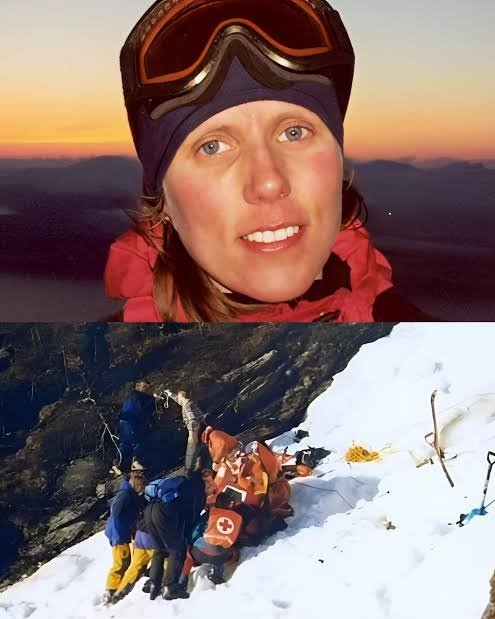
Let me present to you one of the most extreme examples of survival, the case of Anna Bagenholm.
Anna was a radiologist in Sweden. At the age of 29 in the year 2000, she headed to Norway for skiing. On one unfortunate day, she tumbled into a frozen stream, buried under almost 80–100 cm of snow for more than 80 minutes. Her core body temperature plummeted to 13.7 degree celsius which is still the lowest body temperature ever recorded in a human who survived such an accident.
Now, her survival absolutely doesn’t make any sense. Due to the prolonged exposure to such low temperatures, her heart, brain and other vital organs should have been irreversibly damaged, but guess what they weren’t.
At the time, doctors believed that the lowest accidental hypothermia temperature a human can survive is around 17–18 degrees Celsius. When they initiated CPR, they knew she basically had almost no chance of survival, she was clinically dead for almost 3 hours. But the doctors kept trying and miraculously, she regained consciousness with no brain or any other organ damage. Weeks later, she was discharged from hospital with no lingering effects.
Her case rewrote the threshold for hypothermia survival and broadened our understanding of the human body.